General Solar Well Pump Winterization Tactics for Harsh Winters
As the cold season approaches, safeguarding your solar well pump from the harsh elements is vital. Winterization of your system will protect your investment and ensure reliable operation, even when temperatures plummet.
When discussing the right type of winterization for you, it depends on if you plan on using your pump throughout the winter, or if you are planning on keeping your well active during the cold months.
If you are in an area that tends to reach or has ever had freezing temperatures, you should make every effort to prevent your pipes, well, and well components from freezing. When pipes freeze, the flow of water is completely blocked. Since water expands as it turns into ice, the pipes are very likely to burst. It could also ruin your well pump and other exposed well components.
Key Facts:
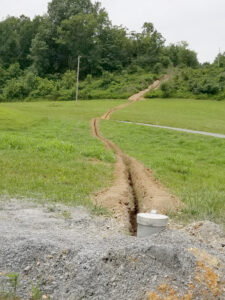
- It’s important to note that as many people who have trenched pipe know well, frost does not penetrate very deep into the ground. Soil temperatures at well-depth typically stay above freezing all winter long. Therefore, it is not the well water you need to worry about, but rather the water that travels through the pipes.
- Well water pumps located below the Static Water Level are not susceptible to freezing. However, surface pumps could be at risk if not properly protected.
- If your wellhead is exposed to outside elements and freezing temperatures are on the way, wrap it with insulation, blankets, towels, or anything else you can find that will not cause damage to the wellhead but can help protect it from the cold.
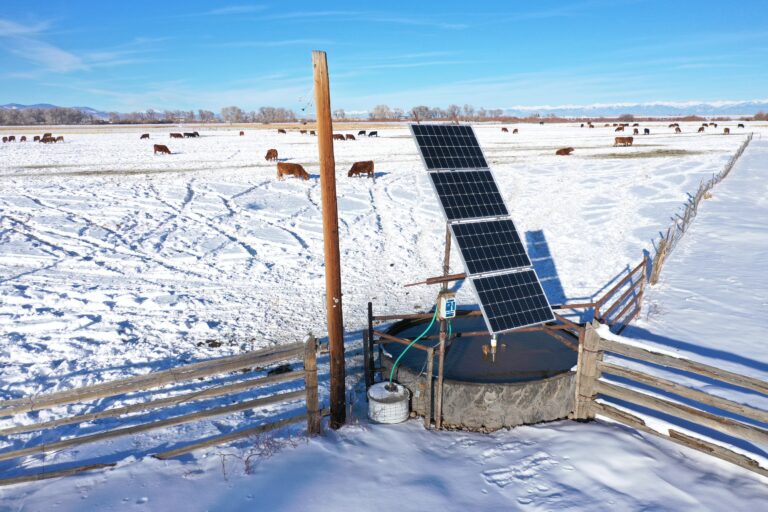
- PRO TIP: Water tanks are also vulnerable to freezing and should be inside an insulated enclosure. If you are in a warmer climate, your pump and tank may be outside. If your pump and tank are exposed and your area experiences freezing temperatures, wrap them with insulation, blankets, towels, or anything else you can find that will not cause damage to these components.
At What Temperature do Pipes Freeze?
Freezing can take place at temperatures as low as 20°F (-6°C) or lower. The exact temperature at which pipes will freeze depends on various factors, including the type of material the pipes are made of, the insulation of the lines, the velocity of the water flowing through the lines, and the surrounding air temperature.
What is a Frost Line?
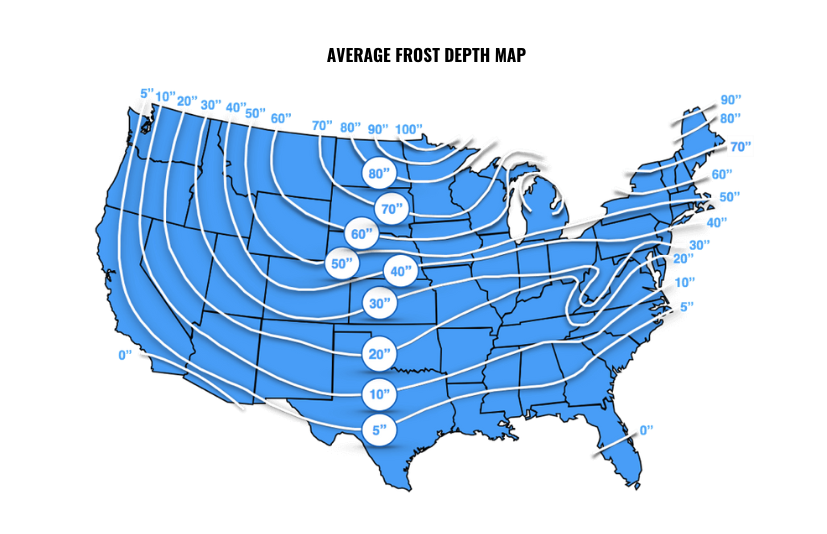
The frost line is the average depth that the ground freezes every year. The more severe the winters, the deeper the freeze, and the deeper water pipes and cement footings need to go. Also known as ground freezing depth, the frost line extends from the top of the soil to an average depth but thaws out during the warmer months.
Why is Meeting the Frost Lines Important?
As water freezes, it expands. If you’ve ever forgotten a can of soda in the freezer, it will swell and burst. It’s the same with water and sewer pipes buried above frost line depths.
Above the frost line, the ground can heave up, shifting whatever is in it, or freeze the pipes’ contents. To avoid these issues, knowing the frost level in your area allows you to construct below the ground freezing depths to keep pipes flowing, decks level, and foundations stable.
Protecting Your Solar Well Pump When Not in Active Use
Covering Solar Panels:
To prevent snow accumulation from damaging your solar panels, it’s essential to cover them. A sturdy, weather-resistant cover will keep the panels clear of snow, which is particularly important if you’re not using the system during the winter. Additionally, make it a routine to brush off any excess snow to maintain their condition for when you need them next.
Unplug Controllers:
Your system’s controllers are the brains of the operation. To avoid any potential cold weather damage, disconnect them and store in a dry, secure place until they’re needed again. This simple step can save you from unnecessary repairs or replacements.
Storing Surface Pumps:
For surface pumps, winterization means disconnection and draining, thorough cleaning, and storage in a dry area. This prevents any residual water from freezing and causing internal damage, ensuring your pump is ready to perform when spring arrives.
Handling Pumps in Shallow Waters:
If you have submersible pumps in ponds or creeks, remove them before the freeze sets in. Dry them out completely and store in a non-freezing environment. If it’s not possible to dry them, submerge them in a bucket of water in an area that won’t freeze, like a heated garage.
Maintaining Continuous Operation Through the Winter
Utilizing Pitless Adapters:
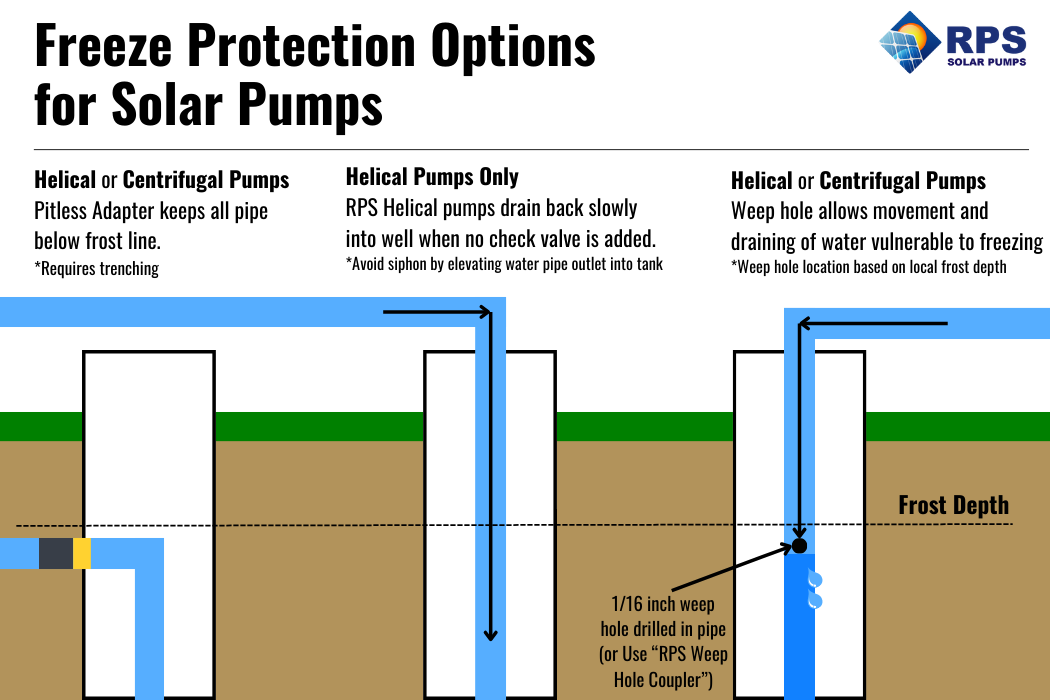
A pitless adapter is your first line of defense for keeping the water flowing below the frost line. By facilitating a direct, below-ground connection, these adapters keep the water from freezing. This ensures continuous water supply without the need for a well pit.
Draining Back Water:
For RPS 200 through 800 helical models, implement a drain-back system that allows water to retreat back into the well when not in use. This solution means no water remains in the pipes to freeze overnight.
Check Valve Considerations:
Check valves should not be installed in your system if you’re using a drain-back system. This will ensure water will freely flow back into the well, eliminating the risk of frozen pipes.
Proper Pipe Outlet Height:
Position your pipe outlet above the highest water level in your storage tank to avoid siphoning. This ensures that the drain-back system functions correctly and prevents freezing.
Adding Weep Holes:
In pressurized systems, install a weep hole below the frost line on your drop pipe. This small modification allows trapped water to escape and prevents ice from forming in your system. It is important to note, however, that adding a weep hole to a pressurized system will cause the pump to cycle as pressure can never truly be held in the pipe. At that point, you’d need to decide whether to use a pitless adapter or just not use the system in winter.
Advanced Winterization Techniques
Insulating Pipes and Components:
Insulation is key for any exposed piping. Use high-quality foam or fiberglass insulation to wrap your pipes, protecting them from freezing temperatures. Don’t forget to insulate the pump itself, which can be done using specially designed pump covers or blankets.
Electrical Component Care:
Shield all electrical components, including controllers and sensors, from the cold. Use waterproof covers and insulating materials to keep moisture out and warmth in.
Battery Maintenance:
For systems with batteries, charge them fully before the onset of winter. Store them in a place where the temperature remains constant and above freezing. If they must stay outdoors, insulate them well to prevent freezing damage and help in holding a charge.
Regular Inspections:
Even during downtime, periodically inspect your system. Look for signs of wear, check the insulation integrity, and ensure that solar panels, if uncovered, are clear of snow and debris.
Adhering to Manufacturer-Specific Instructions
Manufacturer’s Instructions:
Always refer to your solar well pump’s manufacturer guidelines for tailored winterization procedures. Each model may have unique requirements that are critical for proper winter care.
System Specific Recommendations
2"/3" and Pro Series Submersible Pumps:
For our standard line of submersible well pumps and pro pumps, if your pump is placed below the frost line in your area, you don't have to remove the pump from your well. As long as the water in your line is drained below the frost line you will be protected from your pipes freezing. If you do not have a check valve at your pump, the water should drain back down to the static water level in your well. If you do have a check valve, you'll need to utilize a weep hole that is placed below the frost line on your pipe.
If you don't have a way to fully drain your drop pipe, or your pump is placed within the frost line, you'll need to pull your pump from your well for storage for the season. Generally, it's better to store your pump submerged in a storage container of some kind. However, if it is necessary to store dry, it's recommended to swap out your pump mechanism at the start of the new season if you have a helical style pump.
Your solar panels and controller are safe to leave outside in freezing temperatures, but you may wish to cover them to add an additional layer of protection from the elements. If you receive heavy snowfall in your area, you may also wish to angle your solar panels in such a way to avoid excessive snow accumulation.
If you are utilizing batteries with your system, you must take precautions to avoid freezing. If your batteries freeze solid, they will be damaged and are likely to crack and fail. It's generally best to bring the batteries inside during harsh winter. Batteries should always be as protected from the elements as reasonably possible, which includes covering from moisture and keeping insulated from the harsh temperatures of winter.
Surface Pumps:
With surface pumps, you'll want to completely dry and store them inside to avoid freezing. There are rubber fittings inside the pump that are susceptible to freezing damage and can crack if left to the elements.
Pressure Pumps:
Pressure pumps and their controllers should generally already be placed and operated in a fairly protected environment, but you'll want to ensure that they are stored inside in an insulated setting to avoid freezing and moisture from causing damage to your system. If you are concerned about temperatures dropping too much during periods of inactivity, ensure that the system is completely drained of water and dried to minimize risk. The controller should not be exposed the elements either, and is not weather protected.
Fountain and Air Pumps:
We recommend removing and storing any fountain pumps to avoid freezing. Due to the nature of these pumps being at the surface, they can be fairly vulnerable to freeze damage. You'll want to store them completely dry.
As for the air compressors, these can be left running during the winter! The hose is rubber so if freezing on the outside happens, that hose should be able to expand without cracking. Still, make sure that nothing freezes inside and blocks the line.
Water Secure Systems:
Your Water Secure system is not a weather proof system, and should be installed indoors and protected from initial installation. It is important to keep the controller and any batteries attached in a temperature controlled environment.
Comments
0 comments
Article is closed for comments.